How to Paint a Soft Magnolia in Watercolor, Botanical Flower Study
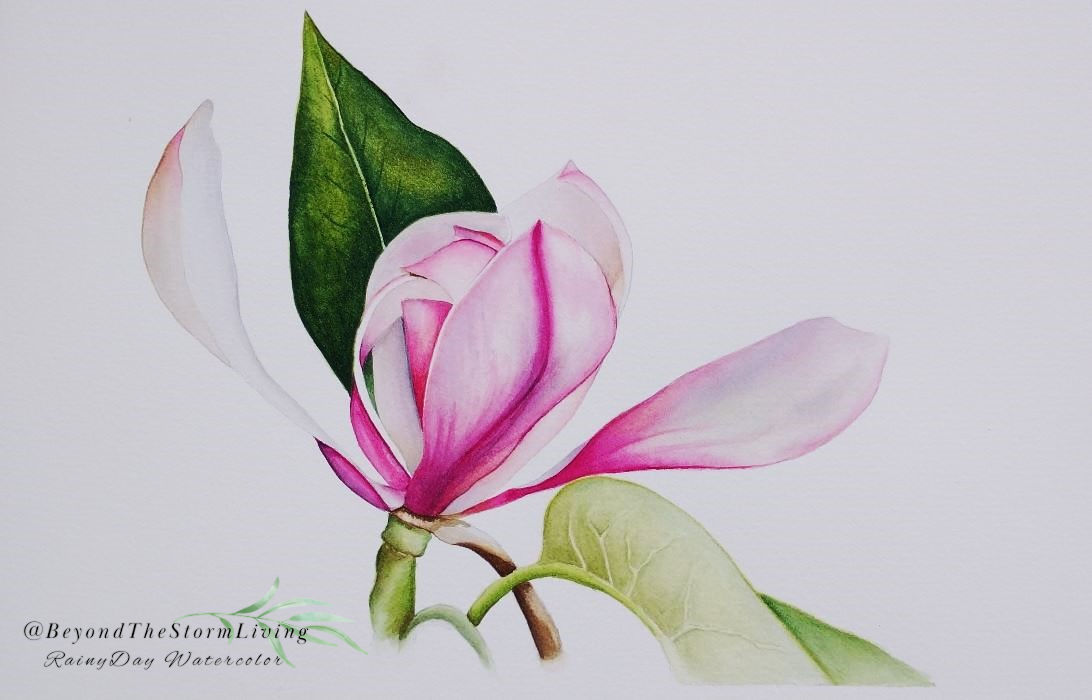
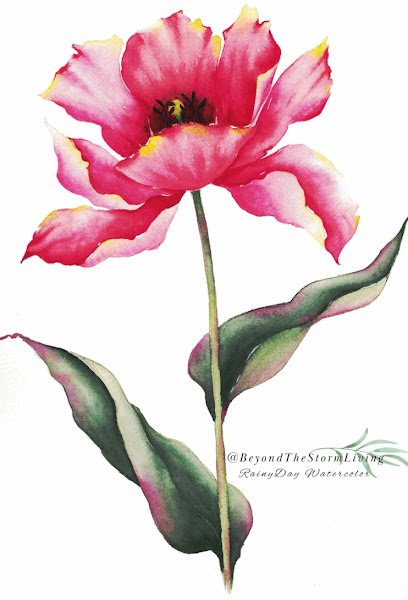
There’s something quietly captivating about painting a magnolia in watercolor. The gentle curves, the soft transitions, the balance between structure and looseness. It’s the kind of subject that invites you to slow down and really look.
This is the second magnolia tutorial I’ve followed from Rae Campbell, and I loved the results even more this time. In this watercolor magnolia painting, the focus is on clean shapes, subtle layering, and controlled brushwork. This botanical flower study leans into soft washes and intentional edges, allowing the paint to flow while still maintaining clarity. It’s a calm process that rewards patience and observation.
If you’re drawn to realistic watercolor flowers but don’t want your work to feel stiff or overworked, a magnolia is a beautiful place to practice. The petals offer space to explore color transitions, preserve highlights, and build depth gradually, one layer at a time.
This approach to botanical watercolor painting works especially well if you’re looking to improve control without losing softness. It sits comfortably between loose florals and detailed studies, making it a satisfying subject whether you’re practicing technique or simply enjoying the rhythm of painting.
Credit: Tutorial by Rae Campbell HERE
💡 Helpful Guides:
→ Limited Palette Guide
Materials Used:
📌As an Amazon Associate I earn from qualifying purchases. Links earn retail commissions at no cost to you.
- Paper: → Baohong Cold Press Paper Cotton Block – great affordable paper
- Brushes: → Princeton Velvetouch Brushes – excellent control and precision with the best tip
- Paints: → Rosa Gallery pan set vibrant affordable professional colors
#Watercolor #LimitedPalette #PaynesGray #Overexposed #ArtStudy #WatercolorPortrait #MinimalArt #ArtBlog