First Watercolor Brushes for Beginners: How to Choose (2026 Guide)
So, you’re starting your watercolor journey—congratulations! One of the most common (and overwhelming) first questions is: “What watercolor brushes do I need as a beginner?”
With endless options in bristles, shapes, and prices, confusion sets in fast. Let’s simplify. Before you buy anything, ask yourself the most important question:
What do you think you want to paint? What style? What size? Loose and flowing? Small and detailed?
Your answer is your roadmap. Your style dictates your tools. This guide will help you choose your first watercolor brush set without overspending or getting overwhelmed.
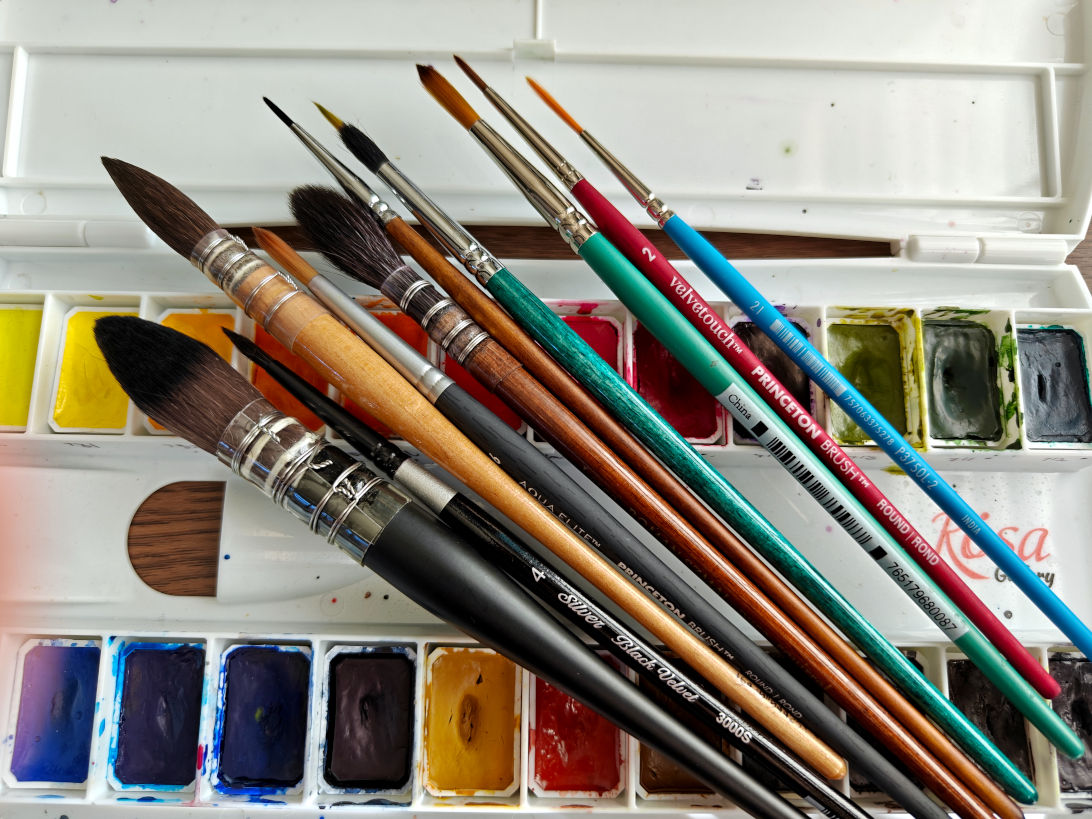
Define Your Painting Style (It’s Your #1 Guide!)
🖌️ For Detailed, Smaller Work (Botanical, Illustration, Urban Sketching):
If you’re drawn to fine lines, portraits, or intricate nature details, you need precision. Start with smaller round brushes that have a sharp, resilient point.
- What to look for: Synthetic (nylon) or synthetic-sable blend brushes. They are affordable, durable, and hold a perfect point. You don’t need super expensive ones for detail work.
- Key Feature: A “snappy” brush with good spring-back. This gives you control.
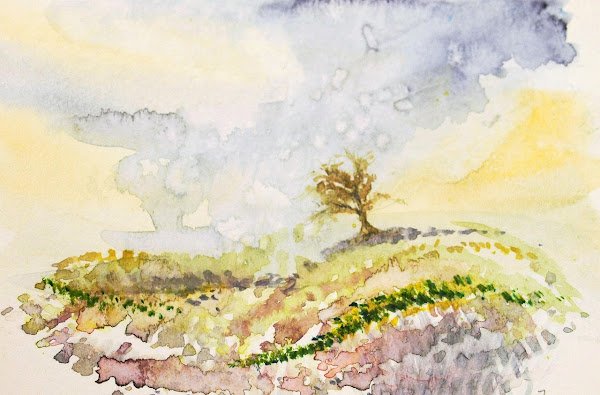
💧 For Large, Loose, Flowing Paintings (Landscapes, Abstracts, Washes):
If you dream of big skies, soft blends, and expressive strokes, you need brushes that hold a ton of water and pigment.
- What to look for: Squirrel hair brushes or high-quality synthetic mop brushes. Their incredible capacity and soft flow are ideal for wet-on-wet techniques.
- Crucial Tip: Do NOT buy a soft squirrel brush for detail work—it will be frustratingly floppy. Save it for washes.
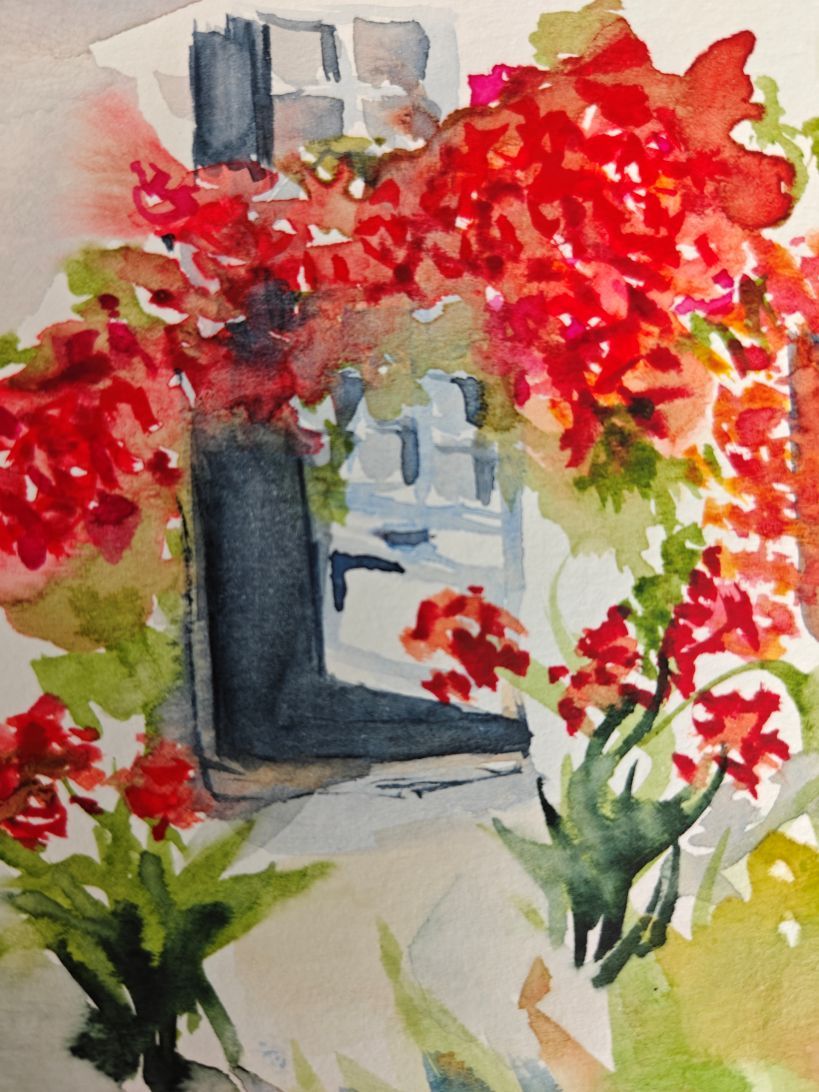

My Top Recommendations: Your Starter Watercolor Brush Kit
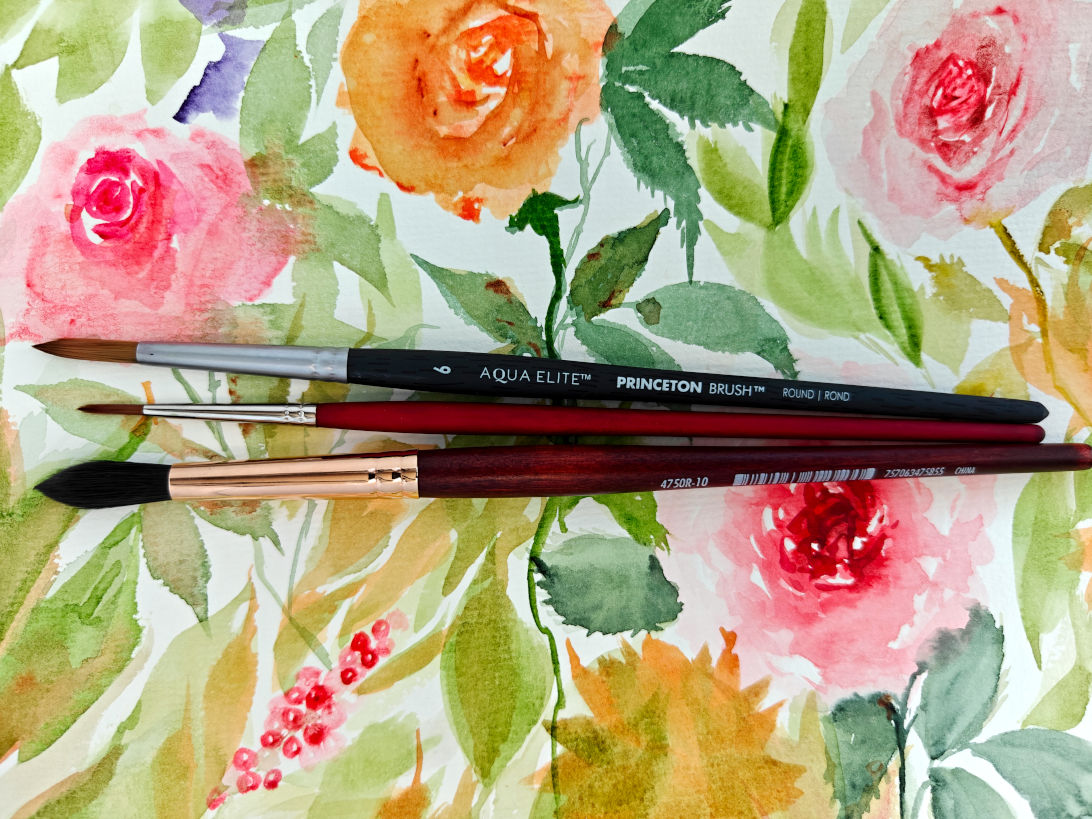
You don’t need a huge set. You need the right few brushes. Here is my recommended starter kit that works for almost any beginner.
The Essential Trio:
- One Small Detail Round (Size 1 or 2): A synthetic round with a razor-sharp point for your finest lines and details.
- One Medium All-Purpose Round (Size 6-8): Your workhorse. This brush can lay down color, create shapes, and even do some smaller washes. A good synthetic or synthetic-sable blend is perfect.
- One Large Wash Brush (Size 10 or 12 Round/Mop): This is for painting skies, backgrounds, and large areas. An imitation squirrel or “mop” brush is fantastic and affordable here.
Pro Tip: You can do 90% of watercolor painting with a good round brush. Start with rounds before exploring flats, liners, or daggers.
Budget & Brand Tips: Where to Save and Where to Splurge
This is key: Your brush doesn’t paint the masterpiece—you do. A good brush helps, but it’s the least important of the “Big Three” (Paper, Paint, Brush).
- The Brush Hunt: You don’t need a famous, expensive brand to start. I’ve tried tons of different affordable, no-name synthetic brushes, and many of them perform just as well as pricier options for basic techniques. The goal is a brush that holds its point and doesn’t shed bristles. A reliable, accessible brand like Princeton’s synthetic lines (read my Guide to get a better idea of which line is good for your style) is a great, safe bet for a beginner.
- The Golden Rule of Beginner Budgets: Save money on your brushes and spend it on better PAPER and PAINT. This is the single best piece of advice for a new artist. Student-grade paint on cheap, buckling paper will frustrate you, no matter how expensive your brush is. Good quality artist-grade paper (like 100% cotton) and decent paint make a dramatically bigger difference in your learning experience and results.
What About Brush Hairs? Synthetic vs. Natural Brushes for Beginners
This is a major point of confusion. Let’s break it down simply:
- Synthetic Brushes: The best beginner choice. Affordable, durable, good spring, and great for techniques requiring control (like details). Modern synthetics are excellent.
- Sable/Kolinsky Sable: High-end, hold a beautiful point, and have great water capacity. Wonderful, but pricey. Not necessary to start.
- Squirrel/Goat Hair (Mops): Incredibly soft and thirsty. Best for large, loose washes and wet-in-wet. Not for detail.
My Verdict: Start with a core set of good-quality synthetic rounds. Add one imitation squirrel mop brush for large washes. This gives you the best of both worlds without breaking the bank.
The One Brush I Recommend to Every Beginner
If I had to pick just one brush to start with, it would be a synthetic round, size 6-8. It’s the perfect middle ground for learning control, water load, and stroke variation. You can practice everything with it.
Final Thoughts: Your Next Steps
Start simple. Get your Essential Trio, and then invest in the best paper and paint your budget allows. Paint for a few weeks. You’ll quickly learn what you need next. Do you crave a bigger wash brush? A finer liner?
Remember: Your first brushes are about learning and exploration, not perfection. Over time, you’ll naturally collect more brushes as your style develops. But starting with a focused, smart kit—and prioritizing your materials budget wisely—will build your skills faster and with far less frustration.
Materials Recommended:
📌The post contains affiliate links. As an Amazon Associate, I earn from qualifying purchases and other affiliate links.
- Detailed Brush: → Princeton Heritage size 2 or Princeton Velvetouch size 2 – both great brushes -snappy enough with a great point.
- Medium size Brush: → Princeton Aqua Elite Size 6 -or Princeton Heritage Size 6– excellent balance between control and water/pigment.
- Wash Brush: → Princeton Neptune size 10 – the softest, synthetic squirrel like brush for even washes. Holds most water than other Princeton Brushes.